


The Effective Role of ERP Software in Implementing the 5S System in Organizations
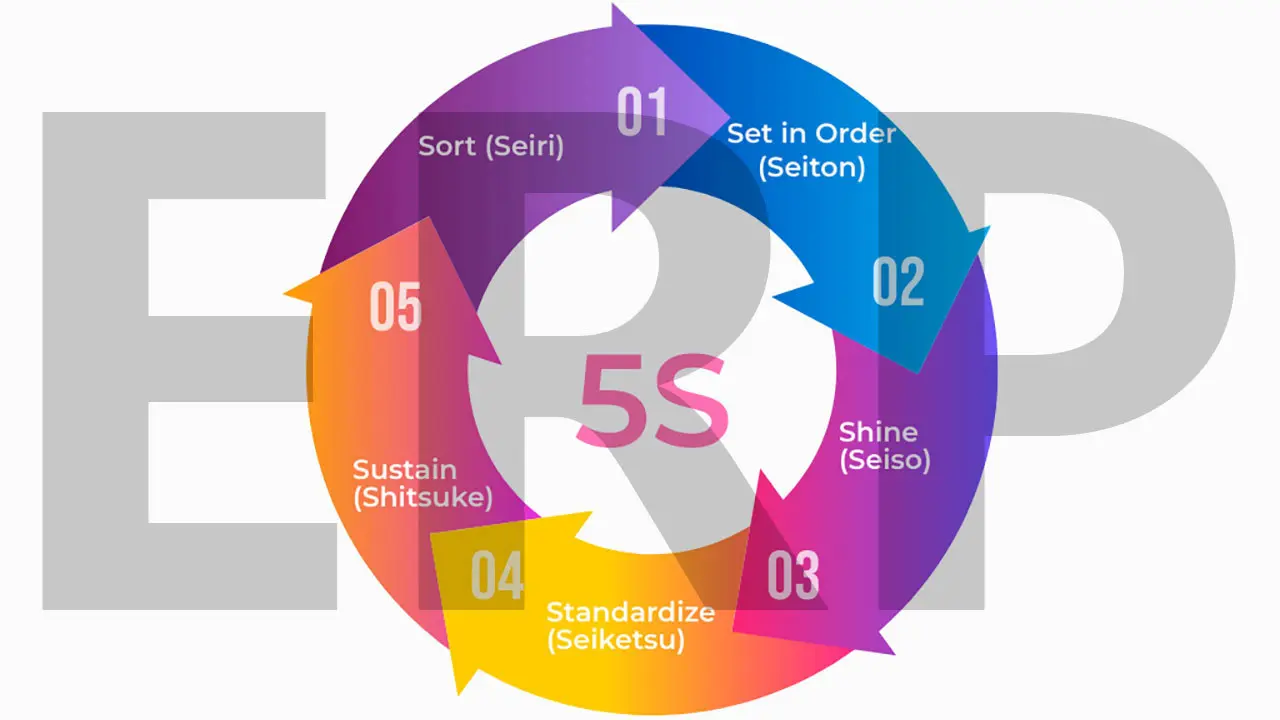
The 5S system is one of the key methods in productivity management and continuous improvement, originating from Japanese work culture. It is based on order, neatness, and discipline to create a more effective, safe, and efficient work environment. However, in today’s digital world, organization is not limited to desks and warehouses; data, processes, and information systems must also be well-structured.
In this article, we examine how a comprehensive ERP software can serve as an intelligent infrastructure for the full and sustainable implementation of the 5S system.
What is the 5S System?
5S consists of five simple yet effective principles aimed at creating order in all aspects of work. Each S comes from a Japanese word, as explained below:
- Seiri (Sort): Separating necessary items from unnecessary ones
- Seiton (Set in order): Placing everything in its designated place
- Seiso (Shine): Removing dirt and maintaining cleanliness
- Seiketsu (Standardize): Establishing sustainable procedures and standards
- Shitsuke (Sustain): Instilling a culture of discipline and continuous improvement
Why is Implementing 5S Difficult Without Digital Tools?
Organizations deal with large volumes of information, documents, orders, invoices, and inventory data. If this data is managed manually or across separate software systems, it leads to duplicated data, human errors, and information chaos.
To overcome this challenge, a unified system is needed to consolidate all organizational processes in a single platform — precisely what ERP software provides.
How ERP Software Supports 5S Implementation
1. Seiri (Organizing Data and Processes)
ERP consolidates organizational information into a single database, helping to eliminate duplicate, incomplete, or unnecessary data. This embodies the principle of “separating necessary from unnecessary” in the digital world.
- Removing inactive products or customers from the system
- Identifying and closing outdated or unnecessary projects
- Integrating financial, HR, and sales data
2. Seiton (Arranging Information)
In a well-designed ERP, each piece of data is entered only once and used across all departments. This ensures that everything is exactly where it should be, and access to information is fast and reliable.
- Every user knows exactly where to find the required information
- Forms and workflows are standardized and clear
- Each activity is assigned to a specific individual or department
3. Seiso (Digital Cleanliness)
ERP provides tools for “data cleaning,” allowing managers to identify and correct errors and incomplete data through analytical reports.
- Automatic control of financial and inventory discrepancies
- Cleaning old or incomplete data
- Monitoring data health at regular intervals
4. Seiketsu (Process Standardization)
ERP enables the standardization of organizational procedures and forms. There will be no variation in order registration or invoice approval across departments.
- Defining clear workflows for each process
- Using standardized forms and reports
- Increasing transparency between units
5. Shitsuke (Discipline and Continuous Improvement)
ERP establishes work discipline through alerts, management reports, and smart dashboards. Users are aware of their responsibilities, and delays are quickly detected.
- Automatic alerts for delays in order approvals
- Performance reports for users and departments
- Continuous monitoring of key performance indicators (KPIs)
Conclusion
Implementing 5S without a digital infrastructure remains limited. However, using a comprehensive and intelligent ERP software allows physical organization to be combined with digital order. The result is a more organized, transparent, and productive organization.